

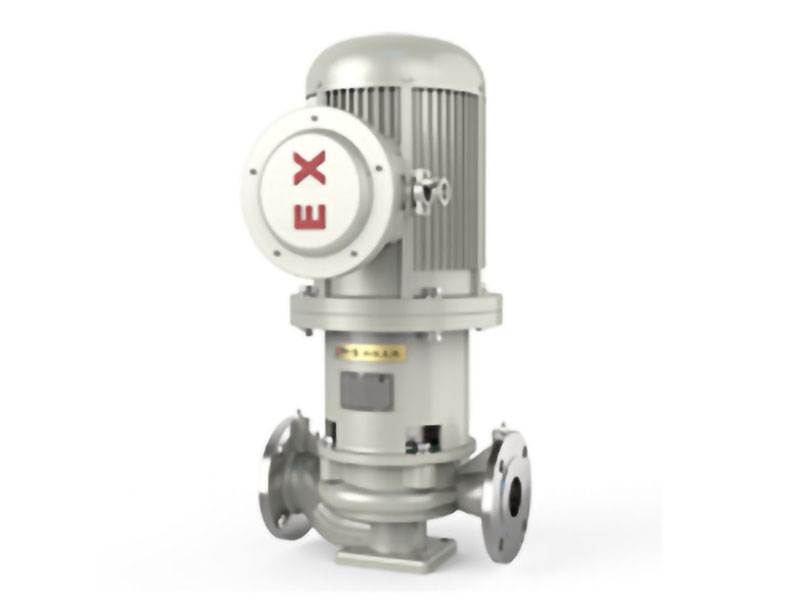
Single-screw and multi-screw pumps are two of the most important positive displacement pump types used in modern industry. Understanding the detailed differences between single-screw and multi-screw pumps helps engineers, maintenance managers, and system designers choose the most efficient, reliable, and cost?effective solution for handling viscous, abrasive, or shear?sensitive fluids.
This in?depth guide explains the definitions, working principles, advantages, limitations, design variants, performance ranges, and key selection criteria of single-screw and multi-screw pumps. It also includes SEO?oriented sections, structured headings, and comparison tables that highlight the practical differences between single-screw and multi-screw pump technologies.
Screw pumps belong to the family of positive displacement pumps. They transfer fluid by trapping a fixed volume and forcing it to move through the pump with each rotation of one or more screws. Compared with centrifugal pumps, screw pumps provide more stable flow at varying pressures, can handle higher viscosities, and offer excellent suction capabilities.
Within this category, two broad groups exist:
Although both types rely on rotating screws and cavities to move fluid, their geometries, wear characteristics, pressure capabilities, and ideal applications differ substantially. Knowing the differences between single-screw and multi-screw pumps is crucial when designing pumping systems for chemicals, oils, wastewater, food products, and many other process fluids.
A single-screw pump is a positive displacement rotary pump that uses one helical rotor rotating inside a double-helix stator made from elastomer or a similar resilient material. The stator has an internal shape that forms cavities which progress from the suction side to the discharge side as the rotor turns. This type of pump is also widely known as a progressive cavity pump or simply a PC pump.
Actual capabilities vary by manufacturer and model, but typical indicative ranges for single-screw pumps include:
| Parameter | Typical Range | Notes |
|---|---|---|
| Flow rate | 0.01 to 500 m3/h | Very low-flow dosing up to bulk transfer |
| Discharge pressure | Up to 48 bar or higher | Achieved by using multiple stages of rotor/stator |
| Viscosity | 1 to >1,000,000 cP | Excellent for extremely viscous products |
| Solids content | Up to ~40% by volume | Depends on particle size and abrasiveness |
| Suction lift | Up to 8–9 m (theoretical) | Practical lift is lower; depends on fluid properties |
| Temperature | -20 °C to 150 °C (typical) | Limited by stator elastomer material |
A multi-screw pump is a positive displacement pump that uses two or more intermeshing screws rotating within a close?fitting housing. The screws form sealed chambers that move the fluid axially from the suction side to the discharge side. Multi-screw pumps are typically fully metallic, and unlike single-screw pumps, they do not rely on elastomeric stators.
Common multi-screw pump types include:
| Parameter | Typical Range | Notes |
|---|---|---|
| Flow rate | 0.1 to 1500 m3/h | Depends on screw diameter and speed |
| Discharge pressure | Up to 80–160 bar (and higher for special designs) | Three-screw often used for very high pressures in oil and gas |
| Viscosity | 1 to ~200,000 cP (or higher) | Performance depends on specific screw configuration |
| Solids handling | Limited for most designs | Best with clean or slightly contaminated fluids; some twin-screw designs can handle soft solids |
| Temperature | -40 °C to 350 °C (typical upper limit) | Metallic construction allows higher temperatures than elastomeric stators |
Although single-screw and multi-screw pumps both belong to the screw pump category, they behave differently in practice. The key differences relate to construction materials, pressure capability, solids handling, and cost of ownership.
| Feature | Single-Screw Pump | Multi-Screw Pump |
|---|---|---|
| Number of screws | 1 rotor + elastomeric stator | 2, 3, or 4 metal screws |
| Alternative name | Progressive cavity pump | Twin-screw, three-screw, four-screw pump |
| Main construction materials | Metal rotor + elastomeric stator | All-metal screws and housing |
| Pressure capability | Medium to high (multi-stage) | Medium to very high |
| Viscosity handling | Excellent, especially very high viscosity | Very good, especially for oils and lubricants |
| Solids handling | Very strong; can handle slurries and large soft solids | Generally limited; best with clean or slightly contaminated fluids |
| Shear on fluid | Low shear, gentle pumping | Low to moderate shear, depending on design |
| Maintenance focus | Rotor/stator wear, elastomer aging | Clearance wear, screw and bearing wear |
| Common industries | Wastewater, food, mining, paper, chemicals | Oil & gas, power generation, marine, petrochemical |
| Best suited for | Sludges, slurries, viscous and solids-laden fluids | Clean oils, fuels, hydraulic fluids, high-pressure transfer |
The following sections describe in detail how single-screw and multi-screw pumps work, how they are constructed, and where each technology should be used.
The working principle of a single-screw pump is based on the interaction between a single helical rotor and a double-helix stator. The stator has one more start (or “l(fā)obe”) than the rotor. As the rotor turns inside the stator, a series of sealed cavities are formed between the rotor and stator surfaces.
These cavities move (or “progress”) from the suction end to the discharge end of the pump. Because the volume of each cavity is almost constant and the cavities are continuously filled and emptied, the pump delivers an essentially pulsation-free flow.
Key points of the working principle:
Multi-screw pumps move fluid through a set of intermeshing metal screws rotating inside a tight?tolerance housing. The screws form sealed chambers with the housing bores. As the screws rotate, these chambers travel from the suction side to the discharge side.
| Aspect | Single-Screw Pump | Multi-Screw Pump |
|---|---|---|
| Number of cavities in contact with fluid | One progressing cavity set along stator length | Multiple cavities formed by screw intermeshing and housing |
| Sealing mechanism | Elastomeric stator-to-rotor interference fit | Metal-to-metal clearances with hydraulic sealing |
| Main driving element | Single rotor directly driven | One or more screws driven; others follow via gears or hydrodynamic action |
| Flow characteristic | Nearly constant, linear with speed | Nearly constant, linear with speed |
| Shear and pulsation | Very low shear, minimal pulsation | Low shear, minimal pulsation |
| Effect of viscosity | Higher viscosity often improves volumetric efficiency | Higher viscosity generally improves sealing and efficiency up to a point |
The most obvious design difference between single-screw and multi-screw pumps is the presence or absence of an elastomeric stator:
Because of the stator material, single-screw pumps have different temperature and chemical compatibility limits compared with multi-screw pumps.
| Aspect | Single-Screw Pump | Multi-Screw Pump |
|---|---|---|
| Key wet parts | Metal rotor + elastomer stator | All metal screws + housing |
| Temperature limit | Limited by elastomer (typically <150 °C) | Higher temperature possible (>300 °C with proper materials) |
| Chemical resistance | Depends heavily on stator elastomer selection | Depends on metal selection and surface treatments |
| Abrasion resistance | Good; elastomer can embed particles but will wear | Good with hard metals, but clearances can be affected by erosion |
Both pump types use conventional shaft sealing and bearing technologies, but the loads and sealing challenges differ:
Because screw pumps are positive displacement devices, flow is directly proportional to speed. Both single-screw and multi-screw pumps frequently use variable frequency drives (VFDs) to adjust flow rate. However:
Both single-screw and multi-screw pumps provide reliable flow across a wide range of pressures, but there are noticeable differences in typical operating ranges.
| Parameter | Single-Screw Pump | Multi-Screw Pump |
|---|---|---|
| Flow range (m3/h) | 0.01 – 500 (some designs higher) | 0.1 – 1500 (and above in special configurations) |
| Maximum pressure (bar) | Up to ~48–72 bar (multi-stage) | Up to ~80–160 bar or higher |
| Typical speed (rpm) | 100 – 600 rpm (can be lower for abrasive fluids) | 500 – 3600 rpm, depending on design |
| Viscosity range (cP) | Thin to extremely viscous (>1,000,000 cP) | Thin to highly viscous (~200,000 cP or more) |
| Solids handling | Up to large solids and high solids concentration | Limited to fine contaminants or soft solids (in some twin-screw) |
The efficiency of screw pumps includes volumetric efficiency (leakage losses) and mechanical efficiency (friction and hydraulic losses).
Both single-screw and multi-screw pumps offer strong suction capabilities, but single-screw pumps are particularly well-known for their ability to generate high suction lift and handle poor inlet conditions.
| Aspect | Single-Screw Pump | Multi-Screw Pump |
|---|---|---|
| Self-priming ability | Excellent | Very good, especially with flooded suction |
| NPSHr (Net Positive Suction Head required) | Low | Low to moderate, varies by design |
| Handling entrained air or gas | Can tolerate some entrained air, but performance will be affected | Some twin-screw designs can handle high gas volumes |
| Suitability for suction lift | Very suitable | Generally used with flooded suction or low lift |
| Pump Type | Advantages | Disadvantages |
|---|---|---|
| Single-Screw Pump |
|
|
| Multi-Screw Pump |
|
|
Single-screw pumps are widely used wherever viscous, abrasive, or solids-containing fluids must be transported reliably at stable flow rates.
| Industry | Example Fluids | Reasons for Use |
|---|---|---|
| Wastewater treatment | Sewage sludge, dewatered sludge cake, scum | High solids content, fibrous material, need for gentle pumping |
| Food and beverage | Yogurt, sauces, fruit concentrates, dough, chocolate | Low shear, ability to pump viscous and shear-sensitive products with inclusions |
| Mining and minerals | Slurries with sand or mineral particles, tailings | Abrasion resistance, solids-handling capability |
| Paper and pulp | Pulp suspensions, coating colors, starch solutions | Viscous, fibrous materials requiring steady flow |
| Chemical processing | Polymers, adhesives, resins, detergents | Viscosity range, suitability for corrosive and hazardous fluids with proper material selection |
| Construction | Cementitious slurries, grout, plaster | Ability to pump thick, abrasive mixtures |
Multi-screw pumps are particularly strong in applications involving oils, fuels, and lubricating liquids under moderate to very high pressures.
| Industry | Example Fluids | Reasons for Use |
|---|---|---|
| Oil & gas | Crude oil, refined products, multiphase mixtures | High pressure, high flow, ability to handle varying viscosities and sometimes gas content |
| Power generation | Lube oil, fuel oil, boiler feed additives | Reliable, low-pulsation supply for turbines, generators, and boilers |
| Marine and shipbuilding | Fuel transfer, lube oil, bilge fluids | Compact, robust pumps that handle a range of shipboard fluids |
| Petrochemical and refining | Process oils, solvents, chemicals | High-temperature and high-pressure transfer of clean or slightly contaminated liquids |
| Industrial hydraulics | Hydraulic oils, lubrication oils | Stable flow and high pressure for hydraulic and lubrication systems |
| General industry | Heat transfer oils, coolants, cutting oils | Efficient handling of medium to high-viscosity oils at various temperatures and pressures |
Some applications could use either single-screw or multi-screw pumps. In these cases, the final decision is based on details such as solids content, required pressure, temperature, and lifetime cost.
| Application | Single-Screw Suitability | Multi-Screw Suitability |
|---|---|---|
| Heavy fuel oil transfer | Good for dirty or slightly abrasive fuels, low to medium pressure | Excellent for clean, filtered fuels at medium to high pressure |
| Crude oil pipeline booster | Used when solids or wax content is higher | Used when fluids are relatively clean and high pressure is required |
| Polymer solution transfer | Preferred when solution contains solids or requires very low shear | Possible when solution is clean and temperature is high |
Viscosity plays a critical role in screw pump selection. Both single-screw and multi-screw pumps work well across broad viscosity ranges, but their optimal windows differ.
One of the strongest differences between single-screw and multi-screw pumps concerns their ability to manage solid particles and abrasive media.
| Aspect | Single-Screw Pump | Multi-Screw Pump |
|---|---|---|
| Maximum solids size | Relatively large soft or deformable solids, depending on pump size | Usually small particles; risk of damage to screws and clearances |
| Solids concentration | Can handle high concentrations of solids | Typically low; best with filtered fluids |
| Abrasion tolerance | Good; elastomer stator can embed particles but will wear | Fair; hard particles can cause rapid wear of metal surfaces |
| Typical protective measures | Lower speeds, proper material and elastomer selection | Filtration, wear-resistant coatings, hardened screws |
Both single-screw and multi-screw pumps deliver low pulsation and relatively low shear compared to many other pump types. However, single-screw pumps are often preferred for particularly delicate, shear-sensitive fluids such as:
Some screw pump designs can handle mixtures of liquid and gas. This is an important selection consideration in oil & gas or process applications where vaporization or gas entrainment occurs.
Single-screw and multi-screw pumps can be installed horizontally or vertically, depending on model and application. However, the overall footprint and length vary:
Because screw pumps are positive displacement devices, piping design must include proper overpressure protection such as safety relief valves. Other key points:
Single-screw and multi-screw pumps are commonly driven by electric motors with speed control through VFDs (variable frequency drives) or gear reducers. Control strategies include:
System designers must ensure that both pump types are protected from conditions that can cause damage:
The primary wear components in single-screw pumps are the rotor and stator. Factors affecting wear include:
Regular inspection and timely replacement of the stator are standard maintenance tasks. Many designs allow stator replacement without removing the pump from the pipeline.
In multi-screw pumps, wear typically occurs in the following areas:
Maintaining correct clearances and lubrication is critical to preserve volumetric efficiency and prevent failure.
For both single-screw and multi-screw pumps, condition monitoring helps extend service life and avoid unplanned downtime:
Life-cycle costs depend heavily on application specifics. In general:
| Cost Element | Single-Screw Pump | Multi-Screw Pump |
|---|---|---|
| Initial purchase | Typically lower to moderate | Moderate to higher |
| Energy consumption | Good efficiency; may be lower at very high viscosities | High efficiency for clean, lubricating fluids |
| Routine maintenance | Regular stator inspection/replacement | Periodic clearance checks, bearing and seal replacement |
| Sensitivity to improper operation | High for dry running; moderate for pressure overload | High for solids contamination or severe cavitation |
When deciding between a single-screw pump and a multi-screw pump, engineers should carefully analyze:
| Requirement / Condition | Recommended Pump Type | Reason |
|---|---|---|
| High solids content, abrasive slurry | Single-screw pump | Better solids handling and abrasion tolerance |
| Clean, lubricating oil at high pressure | Multi-screw pump | High efficiency and pressure capability |
| Very high viscosity paste or sludge | Single-screw pump | Excellent for extreme viscosities |
| High temperature thermal oil | Multi-screw pump | All-metal construction tolerates high temperatures |
| Gentle transfer of food products with particles | Single-screw pump | Low shear and solids-friendly geometry |
| Compact footprint, high flow, high pressure for oils | Multi-screw pump | More compact design for same duty |
| Limited solids, moderate viscosity, moderate pressure | Either; evaluate in detail | Both pump types could work; select based on cost and constraints |
In borderline cases where both pump types appear suitable, consider:
Yes. The term single-screw pump is commonly used interchangeably with progressive cavity pump. Both refer to a pump design with one helical rotor turning inside an elastomeric stator.
The main difference is the number of screws and the stator/housing design. Single-screw pumps use one metal rotor and an elastomer stator to form progressing cavities, while multi-screw pumps use two or more metal screws that mesh inside a metal housing to move fluid. This leads to differences in pressure capability, temperature limits, solids handling, and ideal applications.
Single-screw pumps are generally better suited for abrasive slurries and fluids with high solids content. The elastomer stator can embed particles and maintain sealing, although wear will still occur. Multi-screw pumps usually require cleaner fluids to avoid damage to precision metal-to-metal clearances.
Many twin-screw pumps are designed to handle multiphase mixtures of liquid and gas, making them useful in oil & gas production and processing. However, performance depends on the specific pump design and gas volume fraction. It is important to consult performance data for multiphase operation.
Efficiency depends on the fluid and operating conditions. Multi-screw pumps often achieve very high efficiency in clean, lubricating service at moderate to high pressures. Single-screw pumps also provide good efficiency, especially with viscous fluids, but stator friction and wear may reduce efficiency at higher speeds or pressures.
Single-screw pumps are limited by the temperature capability of the elastomer stator, typically up to about 150 °C or slightly higher with special compounds. For significantly higher temperatures, multi-screw pumps with all-metal construction are usually preferred.
Yes. Both single-screw and multi-screw pumps are positive displacement pumps and can generate high pressures if discharge lines are blocked. Proper overpressure protection such as relief valves or bypass lines is essential for safe operation.
Because flow in screw pumps is nearly proportional to rotational speed, the primary method of flow control is to adjust pump speed using a variable frequency drive or mechanical speed reducer. Throttling with control valves is less efficient and can increase energy consumption and wear.
Ease of maintenance depends on site conditions. Single-screw pumps often allow relatively straightforward rotor and stator replacement and may be easier to service in the field. Multi-screw pumps require precise machining tolerances and may demand specialized tools and expertise during overhaul, but they can deliver long intervals between maintenance in clean service.
Yes, both single-screw and multi-screw pumps can be used for metering and dosing because of their nearly linear relationship between speed and flow. Single-screw pumps are especially popular in dosing applications requiring low pulsation and excellent control across a wide range of viscosities.
Single-screw pumps and multi-screw pumps are both essential technologies in the positive displacement pump family. Understanding the differences between single-screw and multi-screw pumps enables engineers and plant operators to optimize system reliability, efficiency, and total cost of ownership.
By carefully evaluating fluid properties, process conditions, installation constraints, and economic factors, users can select the pump type that best matches their application. Proper design, installation, operation, and maintenance will ensure that both single-screw and multi-screw pumps deliver long-term, reliable performance in a wide range of industrial environments.

Copyright ? Jiangsu Longjie Pump Manufacturing Co., Ltd.



 Phone
Phone
Comment
(0)